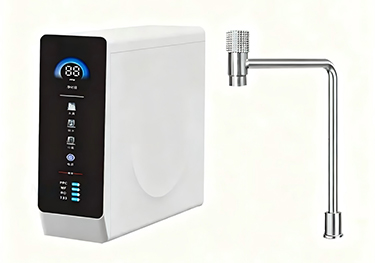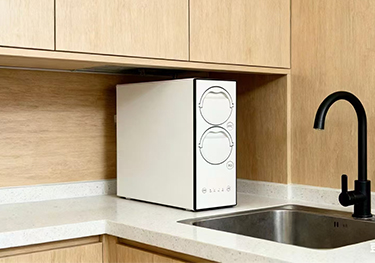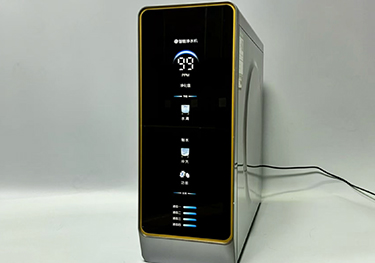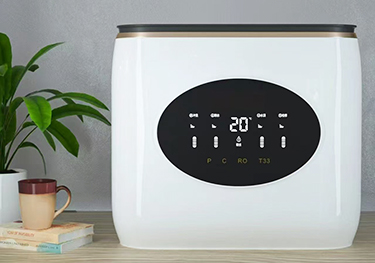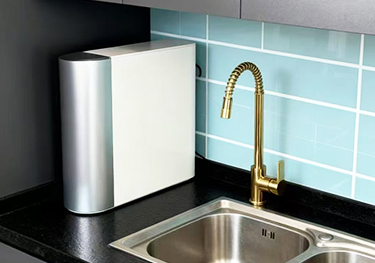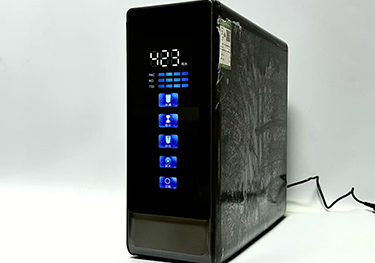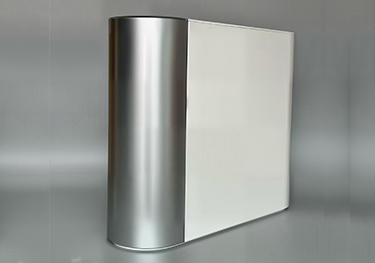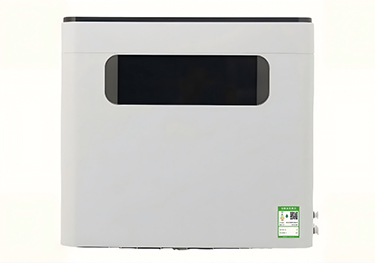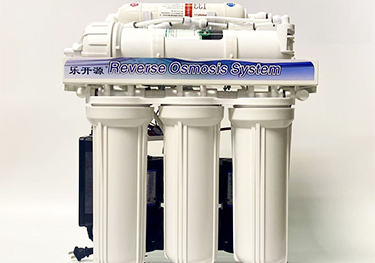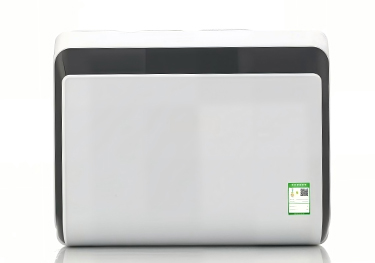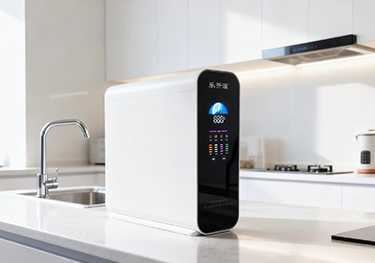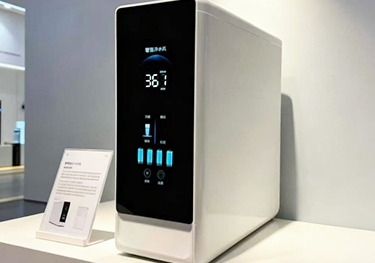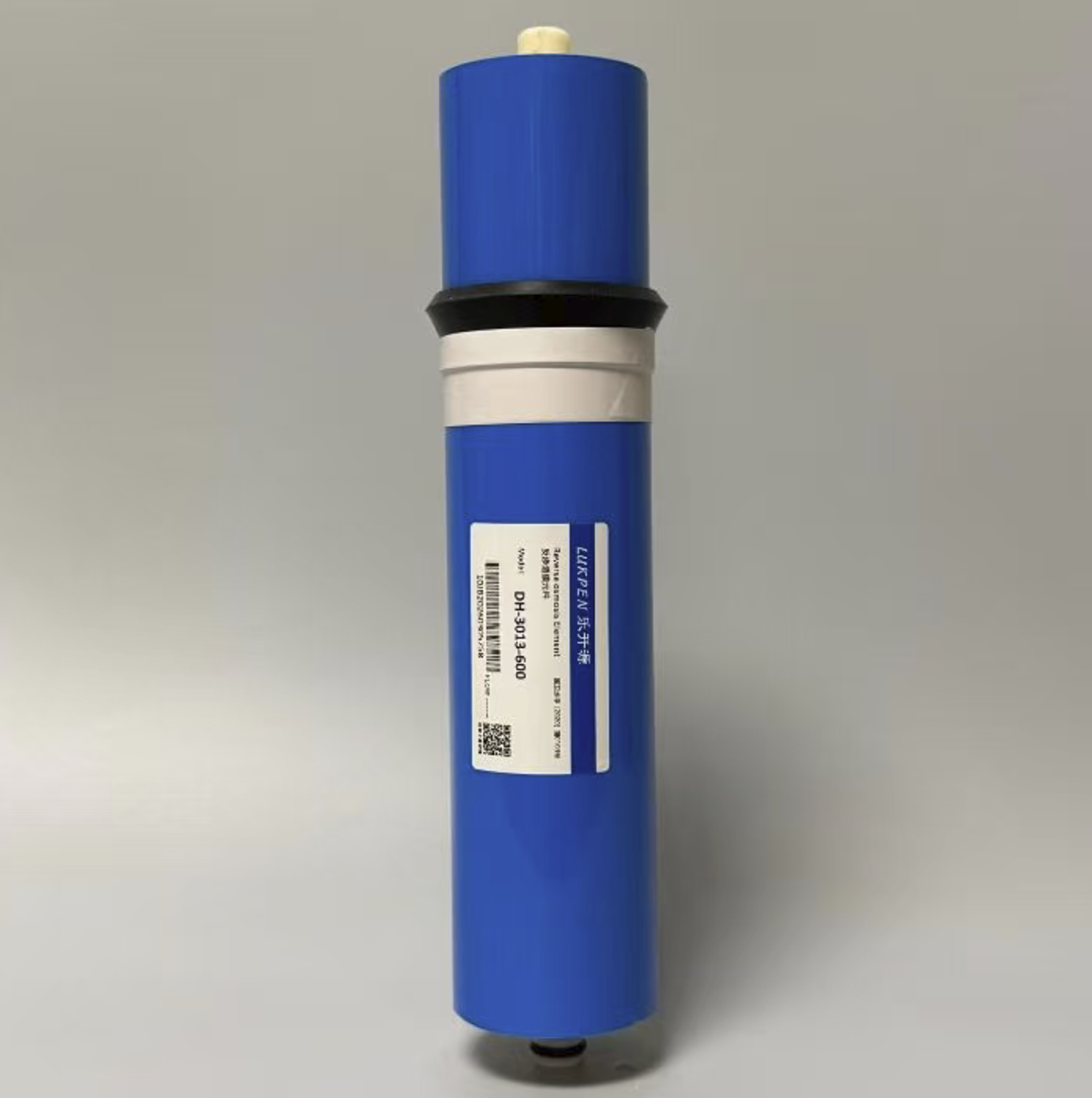
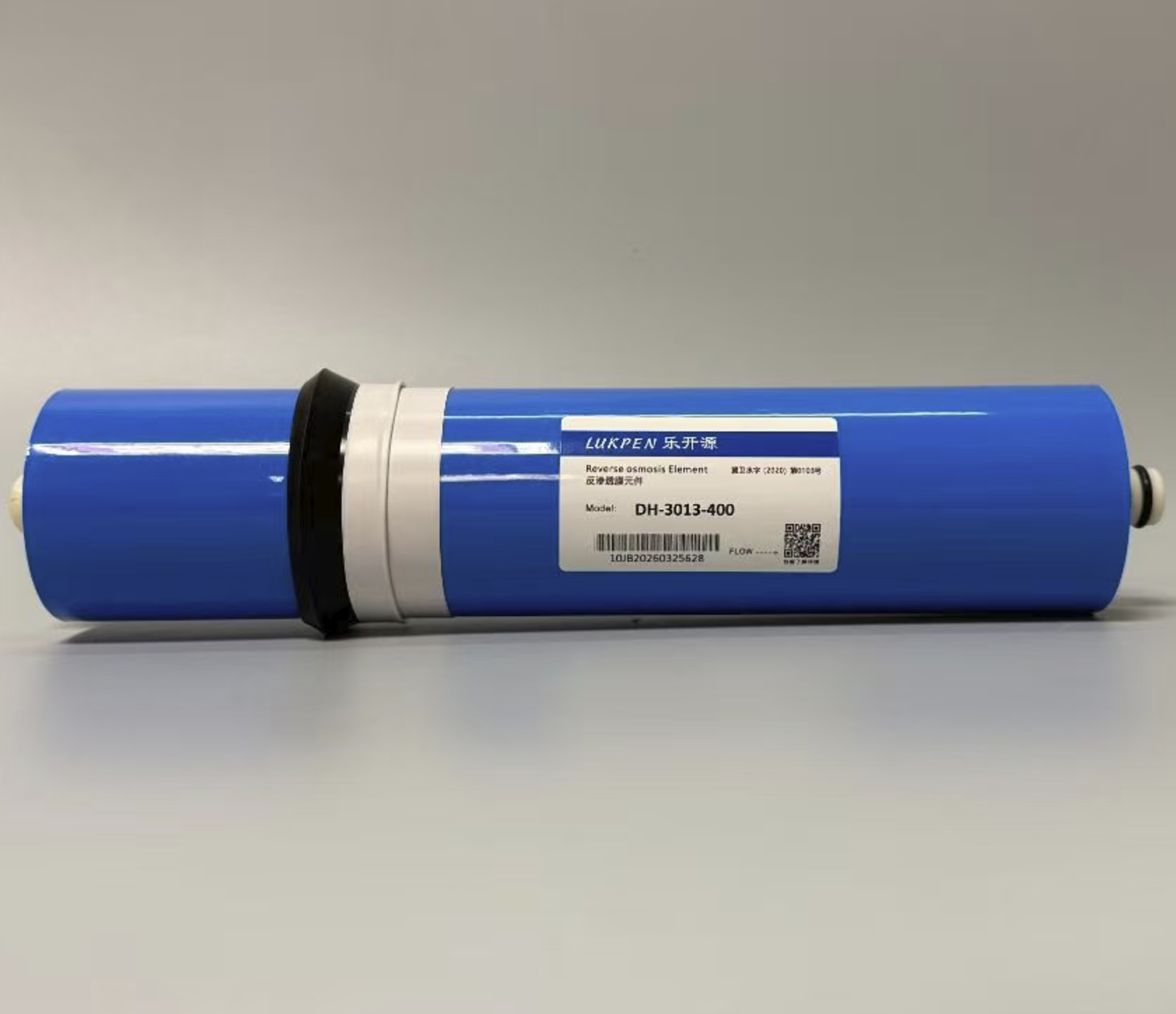
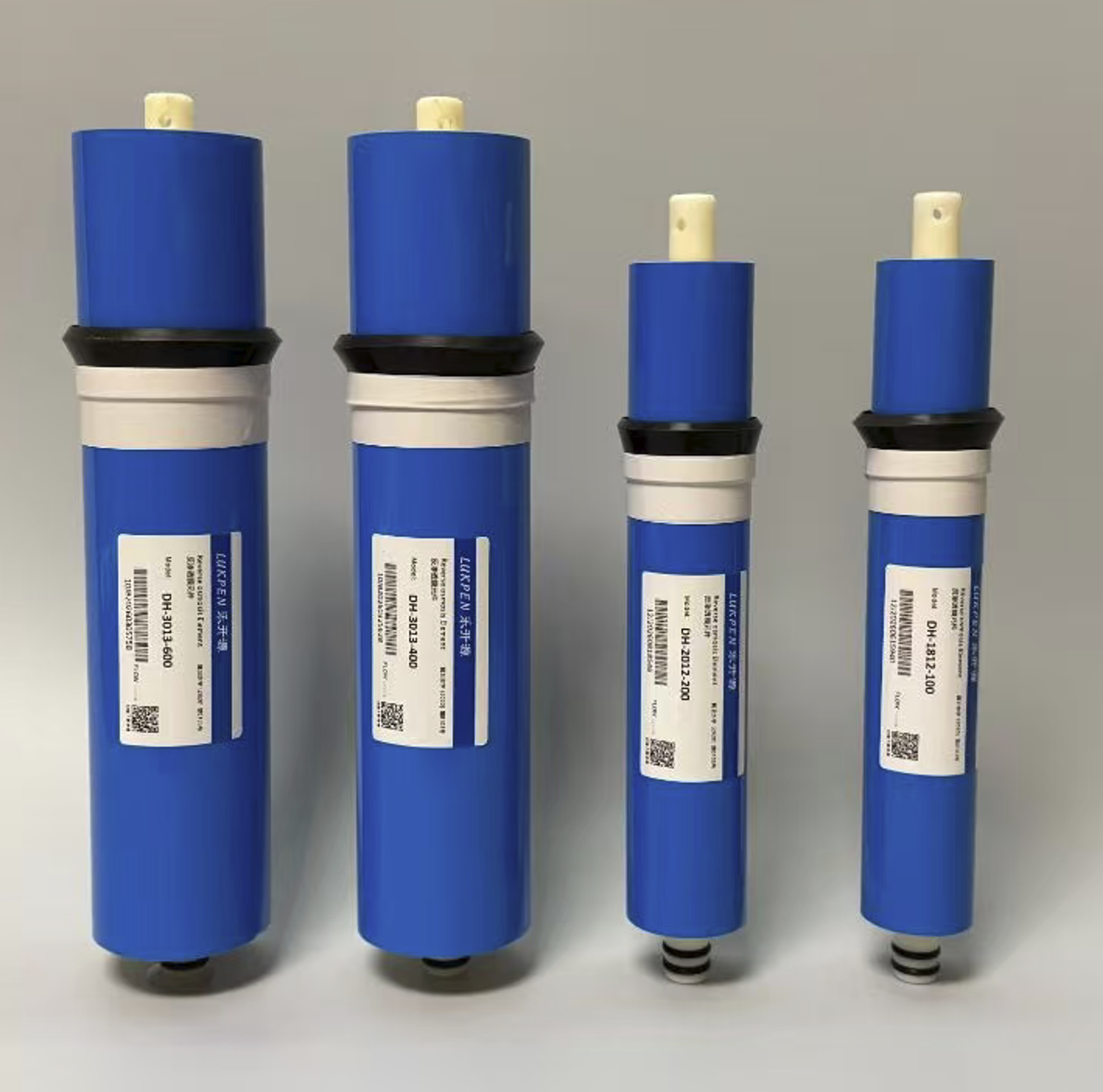
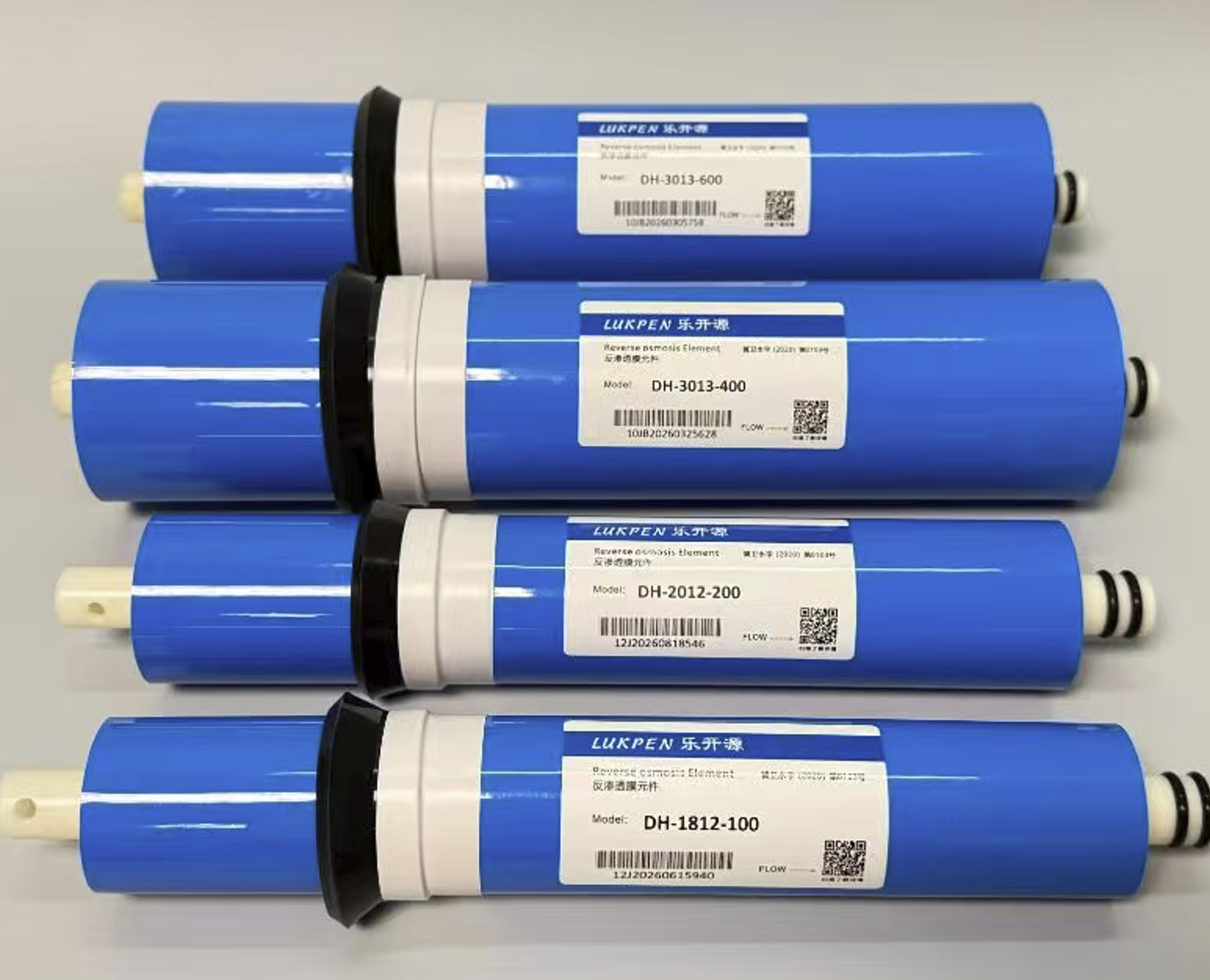
Water filter RO membrane OEM ODM Customized brand.

Water filter RO membrane OEM ODM Customized brand.

Residential RO Membrane — Model and Function
Common Models
Household RO membranes are specified primarily by permeate flow rate in gallons per day (GPD)and by compact element dimensions. The most widely used residential formats are 1812 (1.8″ OD × 12″ L) and 2012 (2.0″ OD × 12″ L), with larger domestic formats including 3012 and 3213 for higher-output systems. Typical capacity ratings run from 50 GPD, 75 GPD, and 100 GPD for standard undersink units, up to 200 GPD, 300 GPD, 400 GPD, and even 600–800 GPD for tankless or higher-demand household systems. Representative model designations include TW-1812-75, BW-1812-50, ULP1812-50, ULP2012-100, and ULP3012-400. Stable salt rejection for residential elements is generally 95–99%, with most standard models rated around 96–98% under low-pressure household test conditions (typically 60–100 psi, 250–500 ppm NaCl feed).

Function
The residential RO membrane is the final purification stage in a home drinking water system. It uses a thin-film composite (TFC) polyamide semi-permeable layer to allow water molecules to pass while rejecting dissolved salts, heavy metals (such as lead and arsenic), nitrate, fluoride, and residual organic matter. Under typical household operating conditions, actual total dissolved solids (TDS) rejection is commonly around 90–96% , with laboratory-rated rejection reaching up to 96–99% depending on the model. The membrane operates at low feed pressure and is protected upstream by a PP sediment filter and carbon block filter, which remove particles and chlorine that would otherwise damage the polyamide layer. The purified permeate flows to a small pressurized storage tank or directly to the faucet, while the concentrated reject water is sent to drain. Residential RO membranes are designed for intermittent household use, not continuous industrial production, and are typically replaced every 12–24 months depending on feed water quality and prefilter maintenance.

Related Products

Home Tel Mail Inquiry